

How Much Does a New Garage Door Cost in 2026?
February 16, 2026
- By
- Garage Door Alafaya
- Garage Door Specialists
A New Garage Door in 2026 typically ranges from $1,200 to $5,500 installed, with high-end custom or wind-rated systems exceeding $8,000. At Garage Door Alafaya, we’ve been helping homeowners choose and install the right garage doors for years of experience, and we’ve noticed that cost depends less on the door itself and more on construction, insulation, and code requirements. For a deeper breakdown, many homeowners start with our New Garage Door cost guide to understand baseline pricing. The biggest mistake we see is budgeting for a basic door without accounting for structural reinforcement or opener upgrades. One homeowner recently planned for a $1,500 replacement but discovered their framing and track system needed updating to meet current wind-load standards, increasing the total. Understanding what drives cost upfront prevents surprise expenses and protects your home long term.
A Practical Checklist Before You Sign a Contract
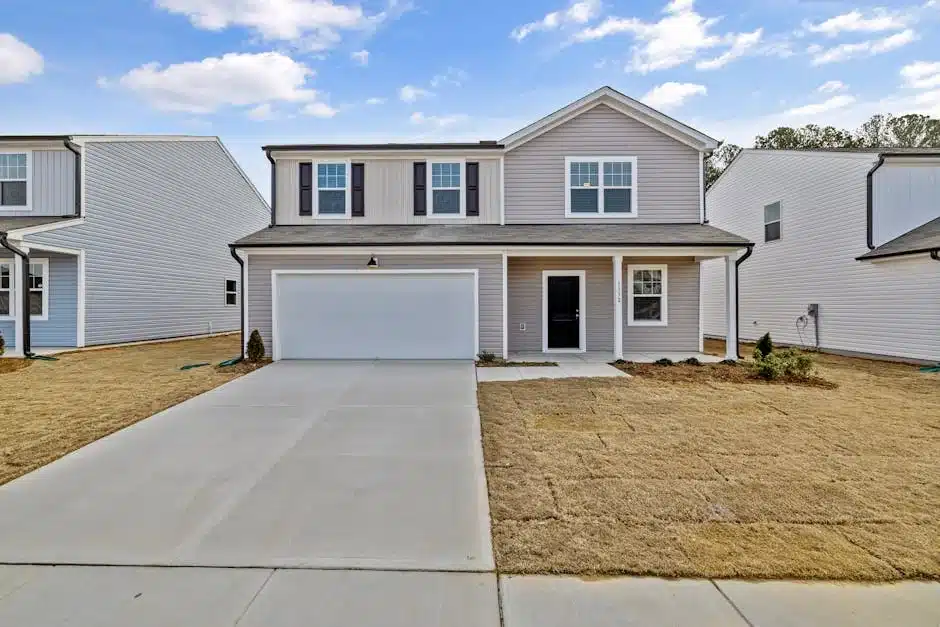
The most important best practice is matching the door to your home’s structure and usage. Price comes second to performance. A properly selected system lasts 15 – 25 years; a mismatched one may require major repairs within five. When evaluating options, we guide homeowners through a structured checklist:
- Material selection: Steel (24- or 25-gauge), wood composite, aluminum with glass, or fiberglass. Compare durability and insulation in our garage door materials compared guide.
- Insulation rating: Polystyrene (R-6 to R-9) vs. polyurethane (R-12 to R-18). Attached garages benefit from higher R-values to reduce energy transfer.
- Spring cycle rating: Standard 10,000-cycle torsion springs vs. upgraded 20,000+ cycle options for frequent use.
- Wind-load certification: Verify design pressure labels and reinforcement struts where required.
- Opener compatibility: Belt-drive openers pair well with insulated steel-back doors for quieter operation.
What Drives Price and How to Avoid Surprise Expenses
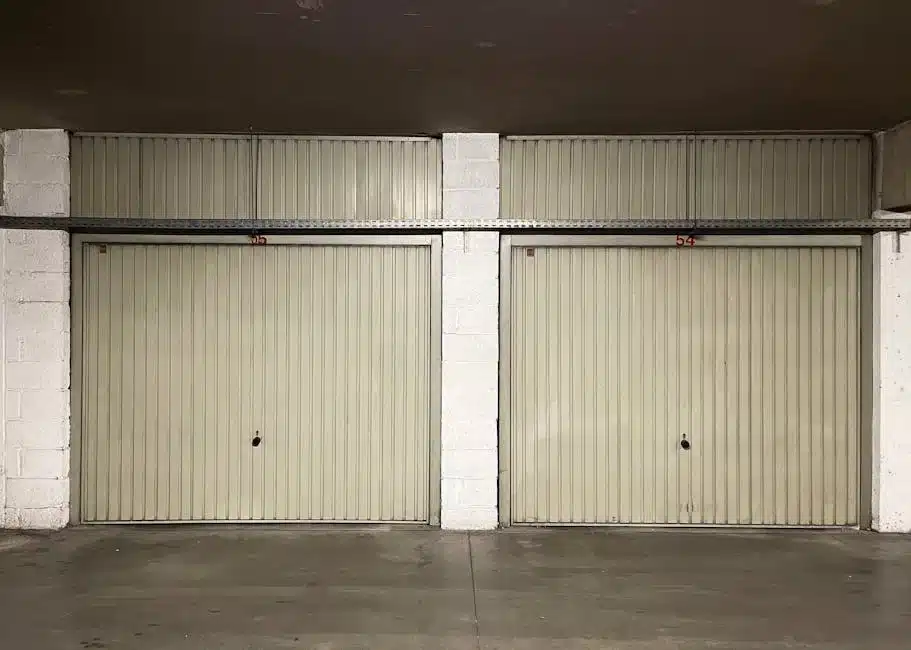
Budgeting accurately means understanding how local conditions and regional construction standards influence your final cost. Homeowners in our area often see different price ranges than national averages because climate demands, building codes, and neighborhood design guidelines all play a role. A standard single-car steel door installation may range from $1,200 to $2,500, while double-car insulated steel-back doors often fall between $2,000 and $4,500. Custom wood or full-view aluminum systems can reach $5,000 to $8,000 or more depending on design preferences and energy efficiency upgrades. Primary cost drivers include:
- Site complexity such as framing repairs, header reinforcement, or track conversion
- Material selection including steel gauge, insulation type, and decorative hardware
- Total project scope such as a new opener, smart home integration, or haul-away of the old door
Get a Clear, No-Pressure Cost Evaluation
If you are considering a new garage door, now is the time to take action. The right installation does more than improve appearance. It strengthens security, boosts energy efficiency, and increases the overall value of your home. Our team provides a thorough evaluation of your opening, framing, and daily usage to ensure you get the perfect fit for long term performance. You will receive a clear, detailed estimate outlining material options, insulation benefits, code requirements, and accurate timelines so there are no surprises. We explain what truly impacts cost and where smart upgrades deliver the best return on investment. No pressure, just honest professional guidance backed by years of hands on experience. Do not wait for costly issues or rising prices. Contact Garage Door Alafaya today to schedule your consultation and secure reliable operation for decades to come.
FAQs
What is the average cost of a New Garage Door in 2026?
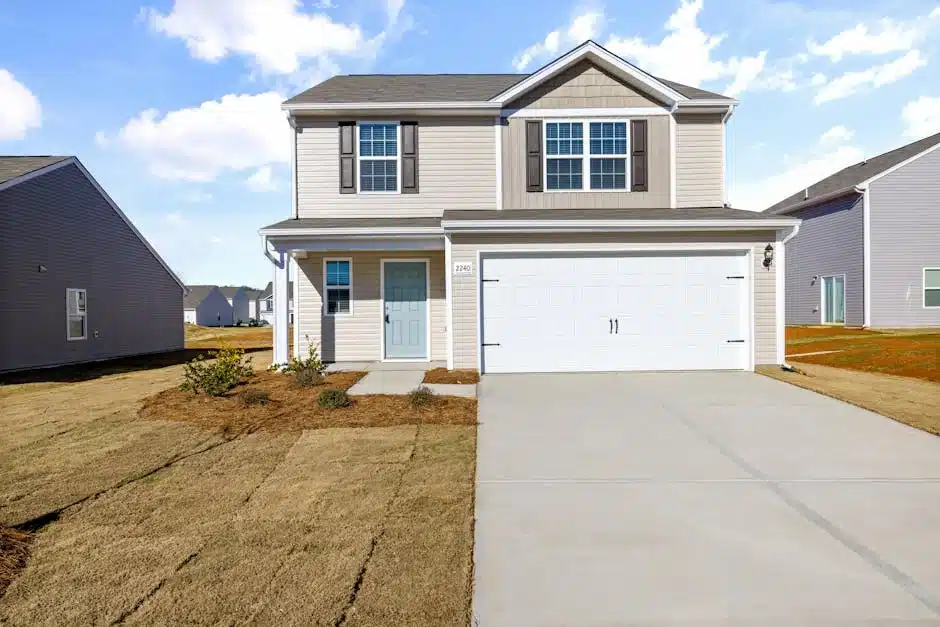
Most homeowners spend between $1,200 and $5,500 for a fully installed new garage door in 2026, depending on size, material, insulation level, and hardware quality. At the lower end of the range, you can expect a basic single car steel pan door with minimal insulation and standard extension or torsion spring hardware. These doors are functional and affordable, but they offer limited durability and energy efficiency. Mid range pricing typically includes insulated steel back construction, heavier duty torsion springs, reinforced tracks, and professional installation with proper balancing and calibration. Many homeowners choose this tier for better noise reduction and improved thermal performance. Higher end projects may feature custom wood doors, composite overlays, or full view aluminum models with tempered glass panels. Wind rated reinforcements, smart opener integration, and upgraded decorative hardware can further increase the total investment. A 24 gauge steel door with a polyurethane core costs more than a thinner 25 or 26 gauge option, but it provides superior dent resistance, structural strength, and quieter operation. Labor, removal and disposal of the old door, permit requirements, and opener compatibility also influence final pricing. Reviewing a detailed written estimate ensures that all components, including springs, tracks, reinforcement struts, seals, and hardware, are clearly itemized before installation begins.
Does insulation significantly increase the cost?
Yes, insulation typically increases the upfront cost of a garage door, but it also has a meaningful impact on long term performance and comfort. Non-insulated pan doors are usually the most budget friendly option and are often chosen for basic applications. Adding polystyrene insulation generally raises the cost moderately, while upgrading to polyurethane foam insulation increases the price further because of its higher R-value and bonded steel-back construction. This type of construction creates a more rigid and durable door panel. For attached garages, insulation plays an important role in reducing heat transfer into adjacent living spaces. This can help stabilize indoor temperatures and reduce strain on heating and cooling systems. Insulated doors also minimize vibration and operational noise, creating a quieter environment. Many homeowners notice a significant improvement in comfort in rooms located above or next to the garage when polyurethane insulation is installed. The additional structural strength also helps the door resist dents and daily wear. While the added expense may not be necessary for a lightly used detached garage, it often provides clear value for attached garages, workshops, or multi purpose spaces.
How much does labor cost for installation?
Professional installation labor typically ranges from $300 to $1,200, depending on the complexity of the project and site conditions. A straightforward replacement that uses the existing framing, tracks, and opener usually falls at the lower end of this range. However, costs can rise when structural modifications are required, such as header reinforcement, track conversion, spring upgrades, or garage door opener replacement. Each of these elements adds time, technical skill, and material requirements to the job. Three primary factors influence labor pricing. First is site complexity, which may include uneven garage floors, damaged or rotted jambs, tight side clearance, or limited headroom. Second is material demand, as heavier insulated or solid wood doors require stronger torsion springs and careful balancing. Third is the total scope of work, including removal and disposal of the old door, reconnecting or replacing opener systems, and integrating smart garage technology. Most standard installations take between 3 and 6 hours to complete. Projects involving custom sizing or structural adjustments may require a full day. These figures are general benchmarks for informational purposes and do not represent a binding quote. A detailed on site evaluation is necessary to provide an accurate final proposal.
Can I install a New Garage Door myself to save money?
Some homeowners consider DIY installation to reduce upfront costs, but garage doors operate under high spring tension and require precise calibration for safe and reliable performance. Torsion springs store a significant amount of energy, and improper winding or adjustment can result in serious injury or costly property damage. While DIY work may be appropriate for minor cosmetic updates such as replacing decorative hardware, installing weatherstripping, or painting panels, full door installation is a far more complex task. Proper spring setup, track alignment, panel balancing, and opener calibration demand specialized tools such as winding bars, accurate torque measurement methods, and secure anchoring systems. We have encountered situations where incorrect spring sizing or uneven track installation caused excessive strain on the opener, leading to premature motor failure and repeated service calls. Any initial savings quickly disappeared due to repair expenses. Professional installation also helps preserve manufacturer warranties, many of which require certified setup. When structural reinforcement, insulation upgrades, or wind load compliance is necessary, professional expertise becomes even more critical to ensure safety, durability, and long term performance.
What are signs that I need a full replacement instead of a repair?
Replacement becomes the wiser option when a garage door’s structural integrity is clearly compromised. Warning signs include cracked, split, or rotting bottom panels, widespread rust through on steel components, sagging or bent reinforcement struts, and recurring spring failures caused by incorrect sizing or long term strain. These issues often indicate deeper structural fatigue that simple repairs cannot fully correct. In regions where updated building codes require wind load certification, an older door that lacks proper reinforcement may leave your home vulnerable during severe weather. In such cases, installing a new, code compliant system can significantly improve protection and peace of mind. Persistent operational problems also point toward replacement. Excessive noise, noticeable vibration, jerky movement, and poor sealing along the perimeter suggest worn tracks, rollers, and weather seals. While routine maintenance such as lubricating hinges and rollers with silicone based or lithium based products and checking cable tension can extend service life, there is a financial threshold to consider. If repair expenses approach half the cost of a new installation, investing in a modern, energy efficient door often delivers greater long term value, improved safety features, and enhanced curb appeal.
What are the most common cost surprises during installation?
Unexpected structural issues are one of the most common reasons a garage door installation project exceeds the initial estimate. Hidden damage to wood jambs, rotted framing, cracked concrete, or undersized headers often requires repair before the new door system can be safely installed. Openings that are out of square or improperly framed may also need adjustment to ensure smooth operation and a proper seal. In many homes, we find outdated extension spring systems that should be converted to torsion systems to improve safety, reliability, and long term performance. Some garages lack sufficient headroom for standard torsion hardware, making specialized low headroom track kits necessary. Electrical considerations can also influence total cost, particularly when installing a new opener with battery backup or smart home connectivity. Addressing wiring deficiencies or adding outlets may be required to meet current codes. Conducting a detailed pre installation inspection allows these conditions to be identified early, helping homeowners avoid delays, unexpected expenses, and last minute changes.
What should I look for when hiring a garage door contractor?
Look for proper licensing where required, proof of active insurance coverage, and documented experience with code compliant installations in your area. A qualified contractor should visit the property, take precise measurements of the door opening, inspect the surrounding framing for damage or weakness, and calculate the total door weight before providing a quote. This ensures the correct springs, tracks, and hardware are selected for safe and reliable operation. Ask specific questions about spring cycle ratings, insulation type and R value, panel thickness, and any applicable wind load certification if you live in a storm prone region. A detailed written estimate should clearly list panel construction materials, track gauge, hinge and roller quality, opener compatibility, and warranty terms for both parts and labor. Avoid contractors who provide vague line items or verbal only quotes, as this can lead to misunderstandings and unexpected charges. Professional installers follow manufacturer specifications for torque settings, bracket placement, and reinforcement struts. They should also test door balance manually before connecting the opener and review maintenance guidelines with you after completion. Clear communication and a documented scope of work protect both the homeowner and the contractor.
When should I schedule replacement if my door still works?
If your current garage door still operates but shows visible signs of aging such as rust, cracked panels, fading paint, or outdated safety features, it is smart to begin planning for a replacement before a complete failure occurs. Garage door springs are typically rated for about 10,000 cycles, and households that use the door multiple times per day can reach that limit faster than expected. If the door feels unusually heavy when you disconnect it from the opener, or if it will not remain halfway open when lifted manually, these are common indicators of spring fatigue. While replacement is not always an immediate emergency, certain issues like snapped cables, separating panels, or loud grinding noises should be addressed quickly. Scheduling a proactive evaluation allows you to explore modern safety upgrades, improved insulation, and wind-rated options without the stress of an urgent breakdown. Planning ahead also provides time to choose a style that complements your home and ensures product availability.