

Hurricane Rated Garage Doors in Alafaya FL: Complete Homeowner Guide
June 23, 2026
- By
- Garage Door Alafaya
- Garage Door Specialists
Want a clear checklist before investing in Hurricane Rated Garage Doors in Alafaya FL? At Garage Door Alafaya, we’ve helped Orlando homeowners strengthen their garages for years of hurricane seasons, and we know what separates a true wind-rated system from a basic door with extra hardware. This guide is for homeowners planning a replacement, upgrading for insurance compliance, or building new construction. We’ve seen what happens when a door isn’t properly rated. One Orlando homeowner called us after a tropical storm pushed their non-rated door inward, allowing pressure to build inside the garage and damage the roof structure. The cost to repair framing and replace the door far exceeded what a compliant upgrade would have been. If you’re comparing options, start with our garage door installation overview to understand the foundation.
Professional checklist for code-compliant protection
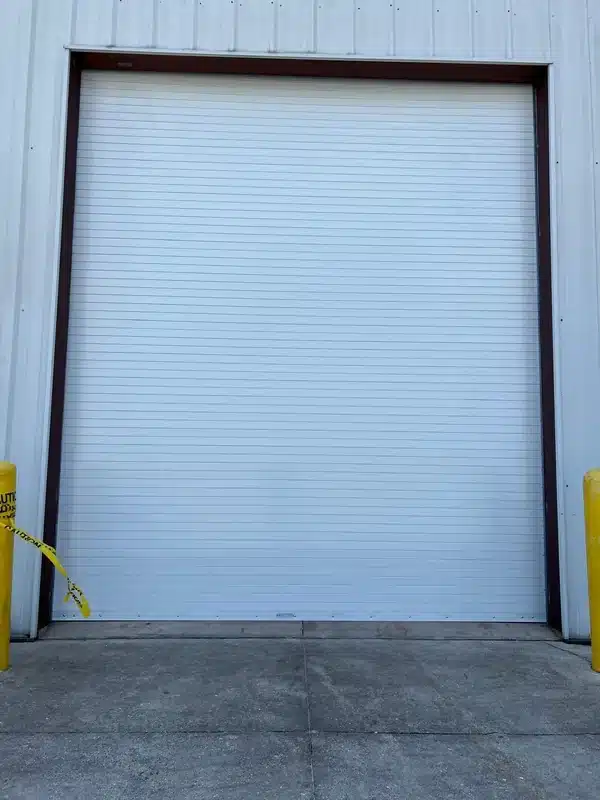
The most important best practice is verifying that the entire assembly – not just the panels – meets wind-load standards. A hurricane-rated label on a brochure means nothing without compliant installation and anchoring. We evaluate the door as a structural component tied directly to your home’s integrity. Every high-quality installation should include:
- Florida Building Code compliance with documented design pressure calculations.
- Florida Product Approval or Miami-Dade NOA documentation available at inspection.
- Reinforced hinges and struts across wider spans (often 2-inch steel struts on double-car doors).
- Heavy-duty bottom brackets rated for higher cable tension loads.
- Corrosion-resistant hardware, especially in humid Orlando conditions.
- Impact-rated glazing if windows are included.
Costs, timelines, and practical next steps
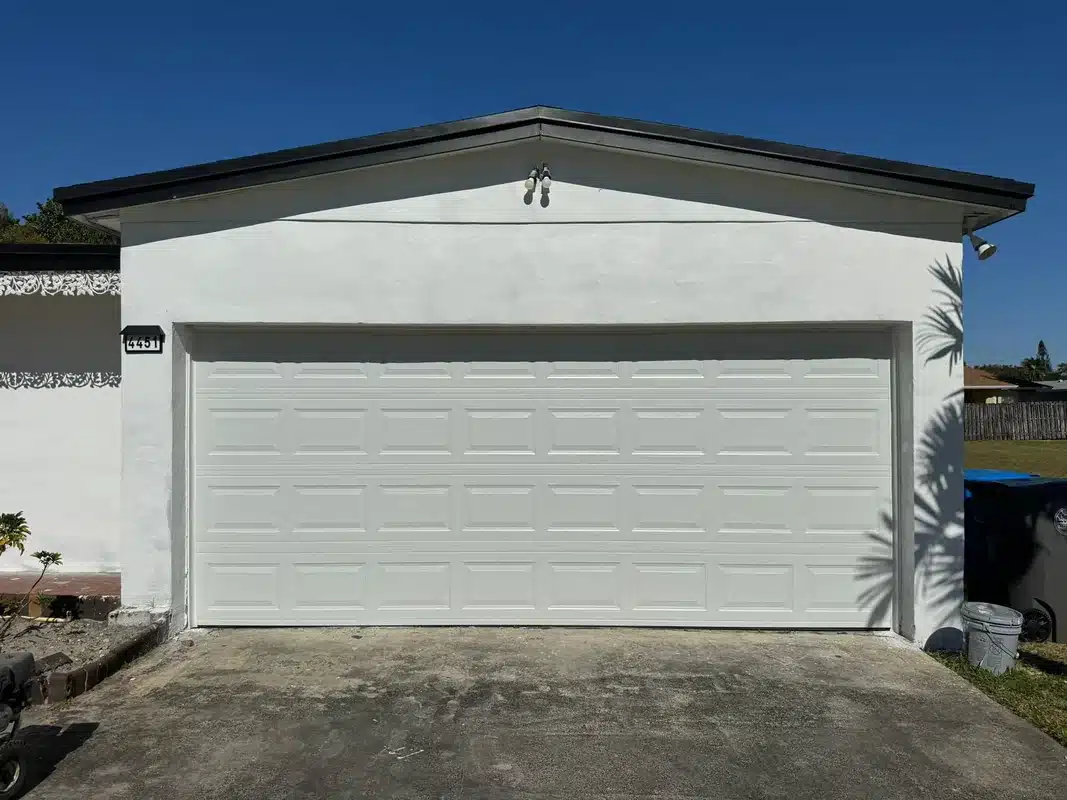
Upgrading to Hurricane Rated Garage Doors in Alafaya FL is a structural improvement, not just a cosmetic one. Planning ahead helps avoid delays during storm season. In Orlando, wind-rated single-car doors may range from $1,200 to $2,500 installed, while double-car doors may range from $2,000 to $4,500 or more depending on insulation level and impact-rated glass. Custom wood-look composite models with high DP ratings can exceed that range. Price typically fluctuates based on:
- Site complexity and structural reinforcement needs
- Material costs and insulation type (polystyrene vs. polyurethane)
- Total scope, including opener upgrades or framing repairs
- Confirm your wind zone and required DP rating.
- Schedule a site evaluation.
- Review product approval documents before ordering.
- Plan installation outside peak storm warnings.
Schedule a Wind-Rated Door Evaluation
If you’re considering upgrading your garage door for hurricane protection, we’re ready to help you assess the right solution. Our team evaluates wind-load requirements, structural framing, hardware condition, and opener compatibility to ensure your door meets Florida Building Code standards. We provide documented product approvals, clear cost breakdowns, and realistic timelines so you can plan confidently before storm season. Whether you’re replacing an outdated door or verifying compliance for insurance purposes, we guide you through every step – from design pressure calculations to final inspection. Book a professional evaluation and make sure your garage door strengthens your home instead of becoming its weakest point.
FAQs
Do I really need hurricane rated garage doors in Orlando?
In many areas of Orlando, yes. The Florida Building Code requires garage doors to meet specific wind-load ratings based on wind speed zones and exposure categories. Even if your existing door was code-compliant when installed, updated standards or remodeling permits may require an upgrade. The garage door is typically the largest opening in your home. If it fails during high winds, internal pressure can increase dramatically, which may lead to roof uplift or structural damage. Insurance providers may also request proof of wind mitigation features, and a non-rated door can affect premium discounts. We recommend checking your home’s construction year, permit history, and current design pressure requirements. A quick site evaluation can confirm whether your door meets today’s standards or if reinforcement or replacement would improve safety and compliance.
What is the difference between impact-rated and wind-rated garage doors?
Wind-rated doors are engineered to withstand specific positive and negative wind pressures measured in pounds per square foot (PSF). Impact-rated doors go further by resisting debris strikes, typically tested using large- and small-missile impact standards such as those referenced in Miami-Dade approvals. In practical terms, a wind-rated door may resist strong pressure but could still be vulnerable if struck by flying debris. Impact-rated models include reinforced skins, laminated glass (if windows are present), and additional structural bracing. For many inland Orlando homes, wind-rated doors meet code requirements. Homes in higher-risk zones or with specific insurance requirements may benefit from impact-rated systems. We evaluate location, building height, and insurance documentation before recommending the appropriate rating level.
How much do Hurricane Rated Garage Doors in Alafaya FL cost and how long does installation take?
Costs can vary widely depending on door size, insulation, and required reinforcement. In Orlando, single-car wind-rated doors may start around $1,200 installed, while double-car systems might range between $2,000 and $4,500 or more. Premium composite or architectural styles can exceed that. Installation typically takes one day for straightforward replacements. Projects requiring framing repair, new headers, or permit inspections may extend to two days or longer depending on scheduling. Pricing may fluctuate based on: – Site complexity and structural conditions – Material costs and insulation upgrades – Total scope, including opener replacement or electrical adjustments These figures are preliminary benchmarks for informational purposes only and do not constitute a binding quote. An on-site evaluation is required for a final proposal.
Can I reinforce my existing garage door instead of replacing it?
In limited cases, reinforcement kits can improve wind resistance, but they rarely convert a non-rated door into a fully code-compliant hurricane-rated system. True compliance requires tested and approved assemblies with documented design pressures. We’ve evaluated homes where aftermarket braces were installed on thin-gauge steel doors. The panels still flexed at hinge points because the door skin and track system were not engineered for higher loads. Reinforcement may help reduce movement but does not guarantee compliance with Florida Product Approval standards. If your door is relatively new and structurally sound, we may recommend track upgrades, heavier bottom brackets, or additional struts. If the base door lacks an approval rating, replacement is usually the safer long-term investment.
What maintenance does a hurricane-rated garage door need?
Wind-rated doors require the same routine care as standard doors, with added attention to structural components. We recommend inspecting struts, hinges, and track fasteners at least once per year – preferably before storm season. Apply a silicone-based lubricant to rollers and hinges and a light lithium-based grease to torsion springs. Avoid heavy oil that attracts dust. Check that anchor bolts remain tight and that there is no wood rot at jamb attachment points. Watch for panel bowing, loose lag bolts, frayed lift cables, or unusual vibration during operation. Because these doors are heavier, spring balance is critical. If the door does not stay halfway open when manually lifted, the springs may require professional adjustment. Routine inspections help preserve the door’s structural rating and extend opener lifespan.
What common garage door issues do homeowners in Orlando face during storm season?
High humidity and wind-driven rain create unique challenges in Orlando. Corrosion on brackets and fasteners can weaken structural anchoring over time. We often see rust forming on bottom brackets and roller stems, especially in garages without climate control. Sudden pressure changes during storms can also reveal weak points. Doors that were slightly misaligned may bind in the tracks when wind pushes against them. Inadequate weatherstripping allows water intrusion that damages framing. Another common issue is opener strain. Heavier wind-rated doors require properly sized torsion springs and compatible openers. Undersized openers can overheat or fail during repeated cycles. Annual inspections before hurricane season help identify corrosion, loose anchors, and balance problems before they become structural risks.
What should I look for when hiring a company to install a hurricane-rated door?
Start by confirming the company understands Florida Building Code wind-load calculations and can provide Florida Product Approval or Miami-Dade NOA documentation. Ask whether permits and inspections are included when required. Proper licensing and insurance are essential. Installation should include structural anchoring into framing members, not just surface trim. We recommend requesting documentation of the door’s design pressure rating and ensuring the installer matches torsion springs to the actual door weight. If a contractor cannot explain how they determine required DP ratings or suggests skipping permits to reduce costs, that’s a sign the installation may not meet code. A qualified professional should provide clear documentation, realistic timelines, and a detailed scope of work.
When should I schedule an inspection if I already have a wind-rated door?
Schedule an inspection if you notice increased vibration, visible panel flexing, loose hardware, or difficulty opening and closing. Even without obvious issues, we recommend a professional evaluation every one to two years, especially before hurricane season. After a significant storm, inspect the door for track misalignment, cracked hinges, or gaps at the weather seal. Do not attempt major adjustments yourself, particularly with torsion springs under high tension. If the door was installed many years ago, code updates or hardware wear may justify a review. A proactive inspection helps confirm that anchor points remain secure and that the door still meets its intended performance rating. Routine evaluation reduces the risk of failure during extreme weather events.