

Why Is My Garage Door So Noisy? 7 Common Causes Homeowners Overlook
April 24, 2026
- By
- Garage Door Alafaya
- Garage Door Specialists
Many homeowners assume a loud garage door is just part of getting older. At Garage Door Alafaya, we’ve been diagnosing noisy doors for years of experience, and we’ve noticed that unusual sounds are usually early warning signs – not harmless quirks. In Alafaya, we often see doors exposed to humidity and daily cycling that develop grinding, squealing, or banging long before they actually fail. If your door sounds different, there’s usually a mechanical reason behind it. We’ve seen a simple squeak turn into a snapped torsion spring that left a family unable to open their garage before work. Ignoring noise often leads to bigger repairs. If you’re unsure where to start, our garage door repair services break down what’s typically involved.
Standards, tools, and systematic inspection steps
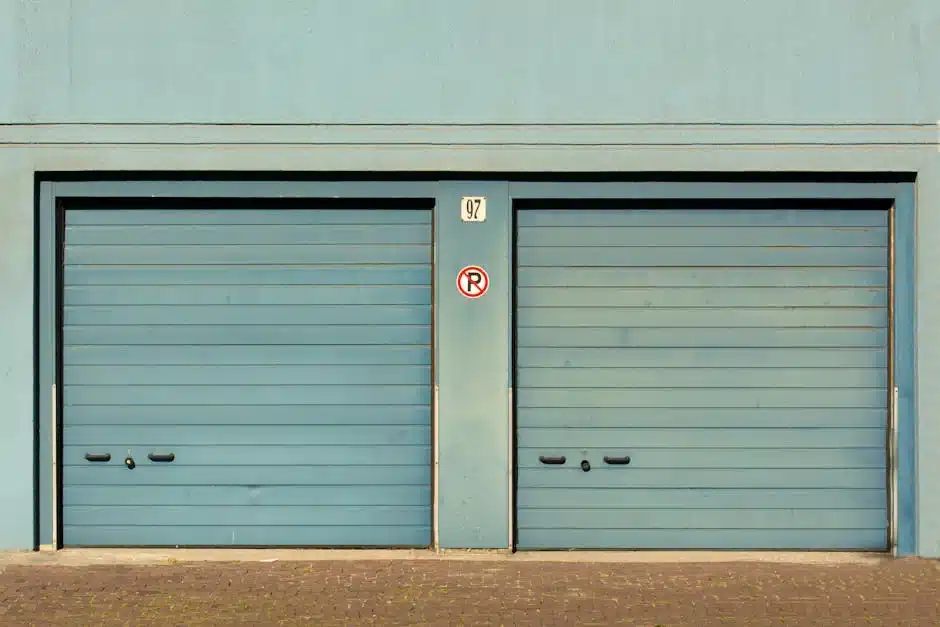
Proper diagnosis starts with isolating the sound source before replacing parts. We disconnect the opener and manually lift the door to determine whether the motor or the door assembly is responsible. That first step prevents unnecessary equipment replacement. A professional inspection typically includes:
- Checking track alignment with a 4-foot level and confirming spacing within manufacturer tolerances
- Inspecting torsion springs for gap separation, rust scaling, and correct winding tension
- Evaluating roller wear – especially flat spots on steel rollers
- Measuring chain or belt tension on the opener rail
- Applying silicone-based lubricant to hinges, bearings, and springs
What you can check safely - and what requires professional tools
Some noise issues have simple solutions, while others involve high-tension components that require specialized tools. Homeowners can safely:
- Tighten loose hinge and track bolts with a socket wrench
- Apply silicone-based lubricant to rollers and hinges
- Inspect weather seals for rubbing or binding
Schedule a Quick Garage Door Noise Check
If your garage door has become louder, slower, or shakier, a brief inspection can prevent expensive repairs later. We identify the exact source of the sound, correct balance issues, lubricate critical components, and ensure your system meets current safety standards. Most noise concerns can be resolved in a single visit when addressed early. Waiting often turns minor wear into spring or panel damage. Schedule a professional assessment and restore smooth, quiet operation before small issues escalate.
FAQs
Why did my garage door suddenly get louder in Alafaya?
Sudden noise usually points to a mechanical change rather than gradual wear. In Alafaya, humidity can accelerate rust on torsion springs and roller bearings, which creates grinding or popping sounds. Temperature shifts may also cause metal components to expand slightly, increasing friction along the tracks. If the sound appeared overnight, check for loose hardware or debris in the track. Disconnect the opener and lift the door manually to see if the noise persists. If it does, the issue is likely within the rollers, hinges, or springs rather than the motor. Quick inspection prevents added strain on the opener system.
Is a noisy garage door dangerous?
Noise itself is not the danger – the underlying cause can be. Grinding may indicate worn bearings that could seize. Loud bangs often signal a torsion spring breaking, which releases stored energy rapidly. Rattling may point to loose brackets supporting tracks that guide a 150+ pound door. The primary risk is sudden mechanical failure, which can cause property damage or injury. Industry standards from DASMA emphasize proper maintenance because sectional doors operate under high tension. If your door shakes, jerks, or struggles to stay balanced, scheduling service reduces the risk of component failure.
How much does it cost to fix a noisy garage door?
Costs depend on the source of the noise. Roller replacement may start around $125 and can reach $250 depending on door size. Track realignment might fall between $150 and $350. Spring repairs could range from $200 to $500. Pricing fluctuates based on site complexity, material costs, and total scope of work required. A heavier insulated door or high-cycle spring system may increase labor time. Most noise-related repairs are completed within 1 – 2 hours. These figures are preliminary benchmarks for informational purposes only and do not constitute a binding quote. An on-site evaluation is required for a final proposal.
Can I fix a noisy garage door myself?
Homeowners can handle light maintenance safely. Tightening loose bolts, lubricating hinges with silicone spray, and clearing debris from tracks are reasonable DIY steps. However, spring systems and bottom brackets operate under extreme tension and require winding bars and training. Attempting to adjust torsion springs without proper tools risks serious injury. If lubrication and hardware tightening do not reduce noise, the issue may involve balance or alignment. In that case, professional calibration ensures the opener is not overloaded and that the door remains within safe operating tolerances.
What maintenance helps prevent garage door noise?
Routine lubrication every six months significantly reduces friction-related noise. Use silicone-based spray or white lithium grease on hinges, rollers, and torsion springs. Inspect rollers for cracks or flat spots and confirm track brackets are secure. Test balance by disconnecting the opener and lifting the door halfway; it should remain in place. Replace worn weather stripping if it drags along the floor. Regular maintenance not only reduces noise but extends opener lifespan by minimizing strain. Preventative service once a year keeps components aligned and operating smoothly.
Are certain garage doors louder in Alafaya’s climate?
Humidity in Alafaya can accelerate corrosion on exposed metal components, especially non-coated springs and steel rollers. Older non-insulated steel doors may also vibrate more during operation. Homes with attached garages often notice noise more due to shared framing. Upgrading to nylon rollers and ensuring proper lubrication reduces vibration significantly. Insulated doors with reinforced struts typically operate more quietly because they flex less. Regular inspections are especially helpful in humid environments where rust and debris buildup occur faster than in drier climates.
What should I look for when hiring a garage door technician?
Choose a technician familiar with ANSI/DASMA installation standards and local building requirements. Confirm they carry liability insurance and understand spring calibration for your specific door weight. Ask whether they perform balance testing and full hardware inspections rather than replacing parts blindly. Technicians who suggest full opener replacement without isolating the door manually may be skipping diagnostic steps. Transparent pricing ranges and written estimates reflect professional practice. Proper tools, including calibrated winding bars and torque-rated hardware, indicate technical competence.
When is a noisy garage door considered urgent?
Schedule prompt service if you hear a loud snap, notice the door lifting unevenly, or see a visible gap in the torsion spring. Grinding combined with jerky motion also warrants quick attention. If the door still opens smoothly and remains balanced, you can typically book a standard appointment rather than emergency service. In the meantime, avoid repeated cycling, as that increases strain. Disconnect the opener if the door feels unusually heavy. Addressing unusual sounds early prevents sudden breakdowns and more expensive repairs later.