

Garage Door Opener Repair in Alafaya, FL: Myths, Risks, and What Actually Works
April 8, 2026
- By
- Garage Door Alafaya
- Garage Door Service Company
Many homeowners assume a garage door opener is either “working” or “completely dead.” At Garage Door Alafaya, we’ve been handling Garage Door Opener Repair in Alafaya, FL for years of experience, and we’ve learned that most opener failures start with subtle warning signs – slow response, grinding sounds, or intermittent remote issues. We’ve seen homeowners ignore those early symptoms until the motor overheats or the drive gear strips completely. One Alafaya customer delayed service after noticing jerky movement, and the strain eventually damaged both the opener and the torsion spring system. What could have been a minor adjustment turned into a larger repair. If your system is already acting up, review our broken garage door guide before the problem escalates.
Standards, tools, and inspection steps that protect your system
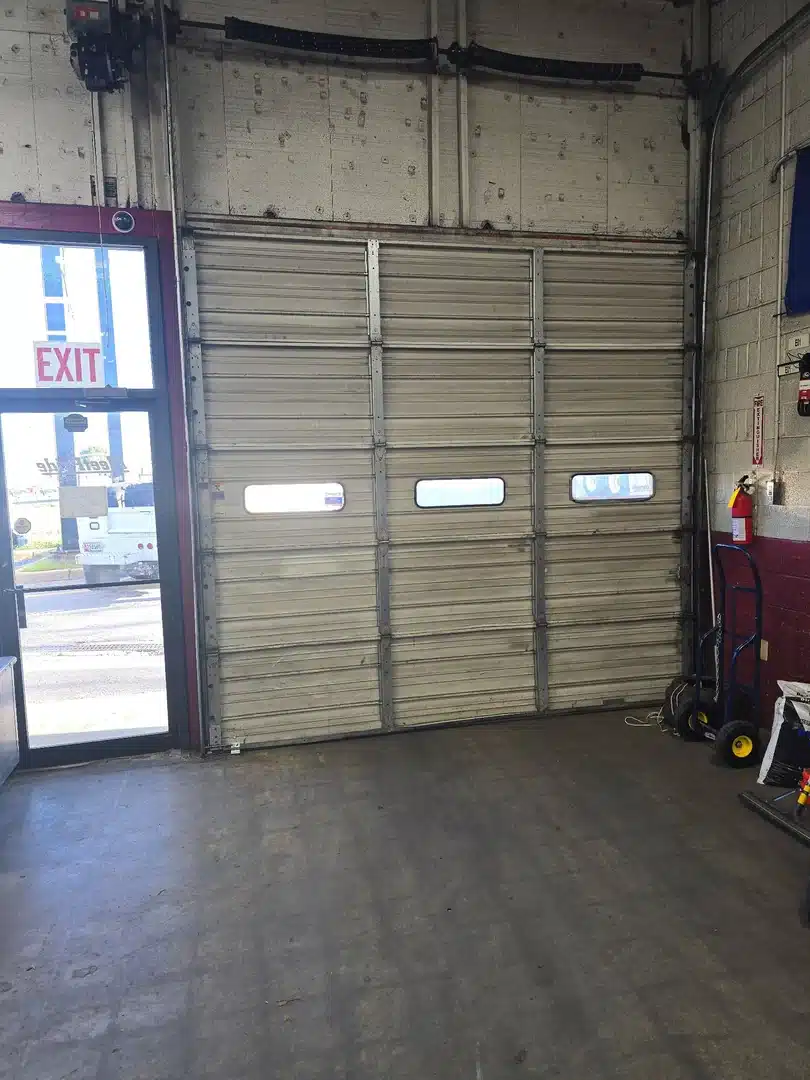
Proper opener repair starts with a full system evaluation, not just swapping parts. We begin by checking door balance – disconnecting the opener and confirming the door stays at mid-height without drifting. An unbalanced door forces the motor to compensate, shortening its lifespan. A thorough professional service typically includes:
- Force and travel limit calibration per manufacturer specifications
- Photo-eye alignment and obstruction test under UL 325 guidelines
- Drive system inspection (chain tension, belt wear, or screw lubrication)
- Logic board and capacitor diagnostics using voltage testing tools
- Safety reversal test with a 2×4 board to confirm proper auto-reverse
Practical expectations for Garage Door Opener Repair in Alafaya, FL
Most opener repairs can be completed within 60 – 120 minutes, depending on the issue. Gear and sprocket replacements typically take about an hour, while logic board diagnostics may take longer if intermittent electrical faults are involved. In our experience, typical repair costs may range from $150 to $450. Motor replacements or full unit swaps can climb higher. Pricing can fluctuate based on:
- Site complexity and accessibility
- Material and part availability
- Total scope, including related door repairs
Schedule a Professional Opener Assessment
If your garage door opener is hesitating, making unusual sounds, or reversing unexpectedly, we can pinpoint the cause before it turns into a full system failure. Our team performs a comprehensive safety and performance check, including balance testing and force calibration, so you know exactly what’s happening inside your system. Whether the fix is a minor adjustment or a component replacement, we provide clear recommendations based on safety standards and long-term reliability. Schedule a quick expert assessment and get straightforward answers about your garage door opener.
FAQs
What are the most common signs I need Garage Door Opener Repair in Alafaya, FL?
Common signs include delayed response when pressing the remote, grinding or clicking noises from the motor housing, inconsistent closing, or the door reversing before touching the floor. You might also notice flickering opener lights or sensors that blink repeatedly. In Alafaya, humidity can contribute to corrosion on wiring terminals and photo-eye connections, which affects performance. If your door feels heavy when disconnected from the opener, the issue may involve springs rather than the motor. Addressing these early symptoms prevents strain on the gear assembly and logic board, reducing the risk of a complete opener failure.
Why does my garage door opener keep reversing before it fully closes?
Reversing usually indicates a safety sensor or force setting issue. Modern openers must comply with UL 325 safety standards, which require auto-reverse when resistance is detected. Misaligned photo-eyes, dirty sensor lenses, or excessive closing force sensitivity can trigger this behavior. Track obstructions, worn rollers, or an unbalanced door may also create resistance that the opener interprets as an obstacle. Checking that the sensors face each other and remain free of debris is a good first step. If adjustments don’t resolve the issue, a professional should test force limits and door balance to prevent motor strain.
How much does Garage Door Opener Repair in Alafaya, FL usually cost?
Garage Door Opener Repair in Alafaya, FL may range from $150 to $450 for common issues such as gear replacements, sensor repairs, or circuit board adjustments. Full motor replacement could cost more depending on model compatibility. Pricing can fluctuate based on site complexity, material and part costs, and the total scope of related repairs. Older systems lacking modern safety features may justify full replacement instead of repair. Labor time, accessibility of the unit, and diagnostic complexity also influence final pricing. These figures are preliminary benchmarks for informational purposes only and do not constitute a binding quote. An on-site evaluation is required for a final proposal.
Can I repair my garage door opener myself?
Homeowners can handle minor tasks such as replacing remote batteries, cleaning photo-eyes, or applying silicone-based lubricant to tracks. However, internal opener repairs involve electrical components, capacitors, and force calibration that require proper tools and knowledge. Incorrect wiring or over-adjusting force limits can create safety hazards and void manufacturer warranties. If the issue involves gear assemblies, logic boards, or motor diagnostics, professional service reduces risk and prevents secondary damage. Attempting complex repairs without testing equipment may temporarily restore function but often leads to larger failures later.
How can I maintain my garage door opener to extend its life?
Start by testing door balance twice a year – disconnect the opener and ensure the door stays at mid-level. Clean and align photo-eyes regularly, and inspect the chain or belt for proper tension. Apply lithium-based grease to metal drive components and silicone lubricant to tracks and rollers. Avoid increasing force settings to compensate for resistance; instead, address underlying door issues. Check mounting brackets and ceiling supports for looseness. Routine inspection reduces motor strain and helps maintain compliance with safety standards. Preventive maintenance typically costs far less than replacing a burned-out motor or damaged circuit board.
Are there common garage door opener issues specific to Alafaya?
In Alafaya, humidity and seasonal storms can affect opener electronics and wiring connections. We often see corrosion on sensor terminals and intermittent signal interference during heavy weather. Power fluctuations may also impact logic boards. Homes with attached garages sometimes experience higher moisture levels, which can shorten component lifespan. Regular inspection of wiring insulation and mounting hardware helps prevent weather-related deterioration. Installing a surge protector designed for garage door openers can reduce electrical risk. Addressing environmental factors early improves long-term reliability and protects internal circuitry.
What should I look for when hiring a garage door opener repair professional?
Look for technicians familiar with UL 325 safety compliance and DASMA guidelines. Proper licensing, insurance coverage, and written estimates demonstrate professionalism. A qualified technician should test door balance, safety reversal, and force settings – not just replace parts. Clear explanations of root causes and manufacturer-based adjustments reflect experience. Be cautious if someone immediately recommends increasing force limits or replacing the entire opener without diagnostics. Reliable professionals use multimeters, calibrated force gauges, and manufacturer programming instructions to ensure safe operation. Detailed documentation of work performed also helps protect warranties.
When is a garage door opener problem urgent versus routine?
An opener issue becomes urgent if the door will not close securely, reverses unpredictably, or fails to respond entirely – especially if the garage is your primary home entry point. While not always a structural emergency, a malfunctioning opener can create security risks and strain other components. If the door operates manually but the opener struggles, avoid repeated cycling, which can overheat the motor. Disconnect the opener and operate the door carefully until service is scheduled. If you notice burning smells, exposed wiring, or repeated breaker trips, discontinue use and arrange professional inspection promptly.