

Garage Door Materials Compared: Steel, Wood, Aluminum, and More
February 10, 2026
- By
- Joe
- Contractor
We’ve walked into countless homes where the Garage Door looked fine at first glance but was quietly causing energy loss, noise, or safety issues. At Garage Door repair Alafaya, our team has helped homeowners evaluate, repair, and replace garage doors for years, and material choice is one of the biggest factors behind long-term satisfaction. One customer once replaced a door based only on appearance and skipped insulation and wind-load ratings. Within a year, warped panels and rising utility bills forced a full replacement – costing far more than choosing the right material upfront. Understanding material performance prevents that kind of expense. Before comparing options, many homeowners also overlook sealing details that affect every material choice, which we often address through a garage door seal service.
What expert material selection and installation should include
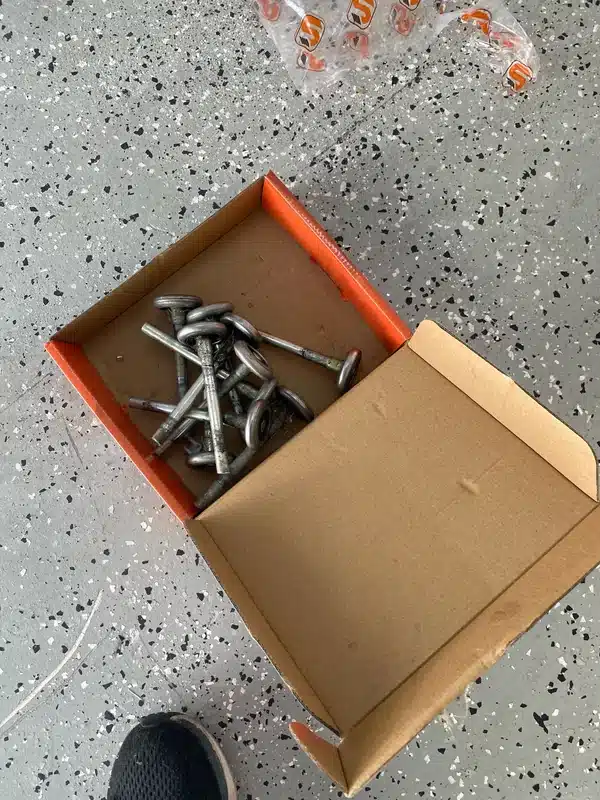
Claim: The best Garage Door material choice follows recognized standards and professional checks – not just style preference. Evidence: Excellent service starts with verifying compliance with safety and building standards such as UL 325 for automatic door openers and the International Residential Code (IRC) for structural openings. Manufacturers also specify maximum panel deflection, reinforcement requirements, and approved insulation methods. Skipping these checks often leads to noisy operation, premature roller wear, or opener burnout. Our team follows a consistent evaluation process:
- Confirm door weight matches spring cycle ratings
- Verify insulation type (polystyrene vs. polyurethane)
- Check reinforcement for wide or tall openings
- Confirm compatibility with existing opener horsepower
Balancing upfront cost with long-term performance
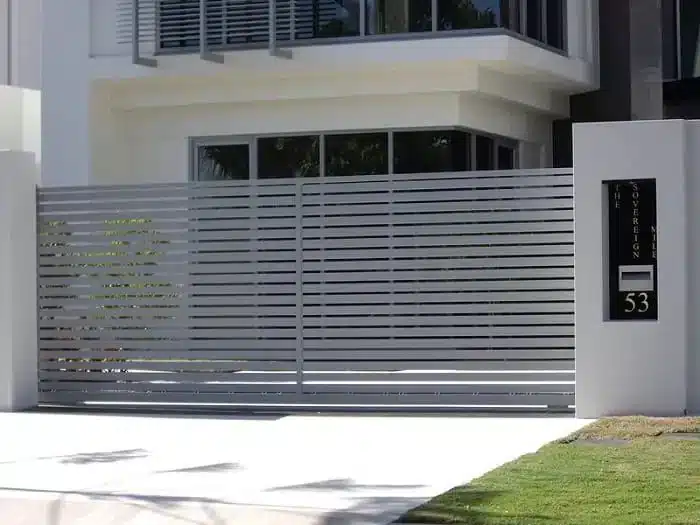
Claim: Choosing the right garage door material delivers measurable local benefits that go beyond the sticker price. Evidence: In Central Florida neighborhoods, material selection directly affects comfort, durability, and resale appeal. Based on local installs, we see clear advantages:
- Insulated steel doors help stabilize interior temperatures, which is valuable during hot summers and sudden weather shifts
- Composite and reinforced steel options resist humidity, reducing rust and warping compared to entry level panels
- Well matched materials improve curb appeal, which matters in HOA governed communities and competitive housing markets
Get Clear Guidance Before You Choose
Choosing the right garage door material impacts your safety, energy efficiency, and long term value. Our Garage Door Repair Alafaya specialists do more than sell parts. We assess insulation, durability, hardware stress, and daily usage to recommend solutions that actually perform in Florida conditions. If your door is noisy, unreliable, or driving up energy costs, now is the time to act. Delaying repairs or upgrades often leads to higher expenses and safety risks. Contact us today for expert guidance, fast service, and honest recommendations that protect your home and give you peace of mind. Schedule your free consultation now and experience reliable service.
FAQs
Which garage door material lasts the longest?
Longevity depends on environment, daily use, and the quality of ongoing maintenance. Insulated steel and composite doors typically last the longest because they resist moisture intrusion, surface damage, and repeated temperature changes far better than many alternatives. In our experience, steel doors built with proper gauge thickness and durable baked-on finishes consistently outperform thin aluminum panels or untreated wood. Wood doors can still provide decades of service, but only when they receive regular sealing, painting, and protection from humidity and sun exposure. Another critical factor is not just the door material itself, but how well the entire system is matched. Door weight must align with opener strength, spring ratings, and track hardware to prevent strain and premature failure. Exposure conditions such as coastal air, heavy wind, or intense sunlight also influence lifespan. Choosing a door designed for those conditions dramatically improves long-term performance.
Is an insulated garage door worth the extra cost?
Insulation often pays for itself when a garage is attached to the home or used regularly for storage, hobbies, or work. A well insulated garage door helps limit heat transfer, which can make nearby living spaces more comfortable throughout the year. Polyurethane insulated doors add noticeable rigidity to the door panels, reducing vibration and outside noise while helping maintain more consistent interior temperatures. Homeowners frequently report fewer drafts, smoother operation, and less strain on the garage door opener after upgrading to an insulated model. This reduced strain can translate into quieter performance and a longer lifespan for mechanical parts. While uninsulated doors may have a lower upfront cost, they often allow greater energy loss and exposure to temperature extremes. Over time, this can accelerate wear on components such as rollers, hinges, and seals, leading to more frequent repairs and higher long term expenses.
How much does a new garage door cost by material?
Costs can vary widely depending on door type, construction quality, and project conditions. Entry level steel doors often begin at a lower price point, while insulated composite, custom wood, or architectural designs can increase costs substantially. Pricing may also fluctuate due to site complexity, existing framing conditions, and the overall scope of work, including track replacement, opener upgrades, or electrical adjustments. Labor time, removal of an old door, disposal fees, and any required structural reinforcement can further influence the final total. Regional material availability and seasonal demand may cause additional variation. These figures are intended as preliminary benchmarks for planning and comparison only and should be viewed as general guidance rather than a firm commitment. An on site evaluation allows accurate measurements, safety assessment, and confirmation of specifications, which are all necessary to produce a detailed, reliable proposal tailored to the property.
Can homeowners install or change garage door materials themselves?
Minor cosmetic choices such as color updates or decorative hardware can often be handled by a homeowner with basic tools and planning. However, changing door materials is a much more complex task and typically requires professional installation. Heavier or denser doors require recalculated spring tension, reinforced mounting points, and precise track alignment to function correctly. When these adjustments are not performed accurately, the door system can become unstable and dangerous. Improper handling can lead to serious safety risks, including uncontrolled spring release, falling panels, or damage to the opener. These hazards pose a real threat to people and property. For these reasons, we strongly recommend professional assistance whenever the door material, weight, or structural design is altered. Experienced technicians ensure proper balance, reliable operation, and compliance with established safety standards such as UL 325, which helps protect users and equipment over the long term.
What maintenance does each material require?
Steel and composite doors benefit from periodic cleaning to remove dirt, salt, and debris that can damage finishes over time. Hinges, rollers, and tracks should be lubricated with silicone-based products to ensure smooth and quiet operation while preventing premature wear. Aluminum doors require regular inspection for panel flex, loose fasteners, and minor dents that may affect alignment or performance. Wood doors demand the most consistent attention, including regular sealing, repainting, and careful monitoring for moisture intrusion that can cause swelling or rot. When maintenance is ignored, common problems include corrosion, warping, sticking panels, and noisy movement that worsens with use. Establishing a routine inspection schedule helps identify small issues early, reduces repair costs, and significantly extends the service life of any door, regardless of the material used.
What problems are common with the wrong door material?
Common issues include denting, rust, warped panels, and excessive strain on the opener. These problems are often interconnected and tend to worsen over time if not addressed early. We frequently see thin or lightweight doors paired with powerful openers, which may seem efficient at first but often cause premature gear wear, motor stress, and noisy operation. Material mismatch is another frequent concern, especially when doors are not suited to local climate conditions. Poor insulation or improper sealing can allow air and moisture intrusion, leading to higher energy costs and interior discomfort. Over time, this also accelerates corrosion and panel distortion. Selecting the correct door material and construction for the environment, usage level, and opener strength helps prevent these avoidable repairs. A thoughtful choice improves performance, extends system lifespan, and reduces long term maintenance costs.
What should homeowners look for when hiring a garage door professional?
When selecting a professional, prioritize licensing compliance, adequate insurance coverage, and proven familiarity with DASMA and IRC standards. A qualified provider should take time to explain material options in plain language, including the benefits and limitations of steel, wood, aluminum, or composite choices. They should verify spring ratings based on door weight and usage frequency, not rely on estimates. Expect accurate measurements, a site inspection, and a written scope of work that outlines labor, materials, timelines, and warranties. Transparent pricing and clear payment terms are also essential. Be cautious of contractors who rush the assessment, skip measurements, or recommend a single material without evaluating your garage layout, climate exposure, and daily use. Reliable professionals welcome questions, document their process, and stand behind their recommendations with references and service guarantees.
When should a material-related issue be addressed?
Material issues with a garage door rarely demand an immediate emergency response, yet they should not be ignored. When you notice visible panel damage, unusual grinding or rattling noise, misalignment, or growing gaps along the edges, prompt scheduling is essential. Continued operation of a compromised door can strain the opener, bend tracks, loosen hardware, and increase the chance of injury or property damage. To limit risk, reduce use as soon as symptoms appear, keep the area clear, and avoid temporary fixes that mask deeper problems. Arrange a professional inspection so underlying causes can be identified and corrected before secondary damage spreads to springs, cables, or the motor. Timely service helps preserve structural integrity, controls repair costs, and extends the lifespan of the entire system while maintaining safe, reliable daily operation.